Why every business needs a rolling cash flow forecast

This is a guest blog by Cash Flow Frog.
Cash flow is the heartbeat of every business. You can survive temporary losses, but not a cash crunch. Yet many companies still rely on static annual budgets that quickly become outdated.
In fact, cash flow issues are cited as one of the leading reasons small businesses fail, according to the U.S. Chamber of Commerce. The challenge isn’t just profitability—it’s visibility.
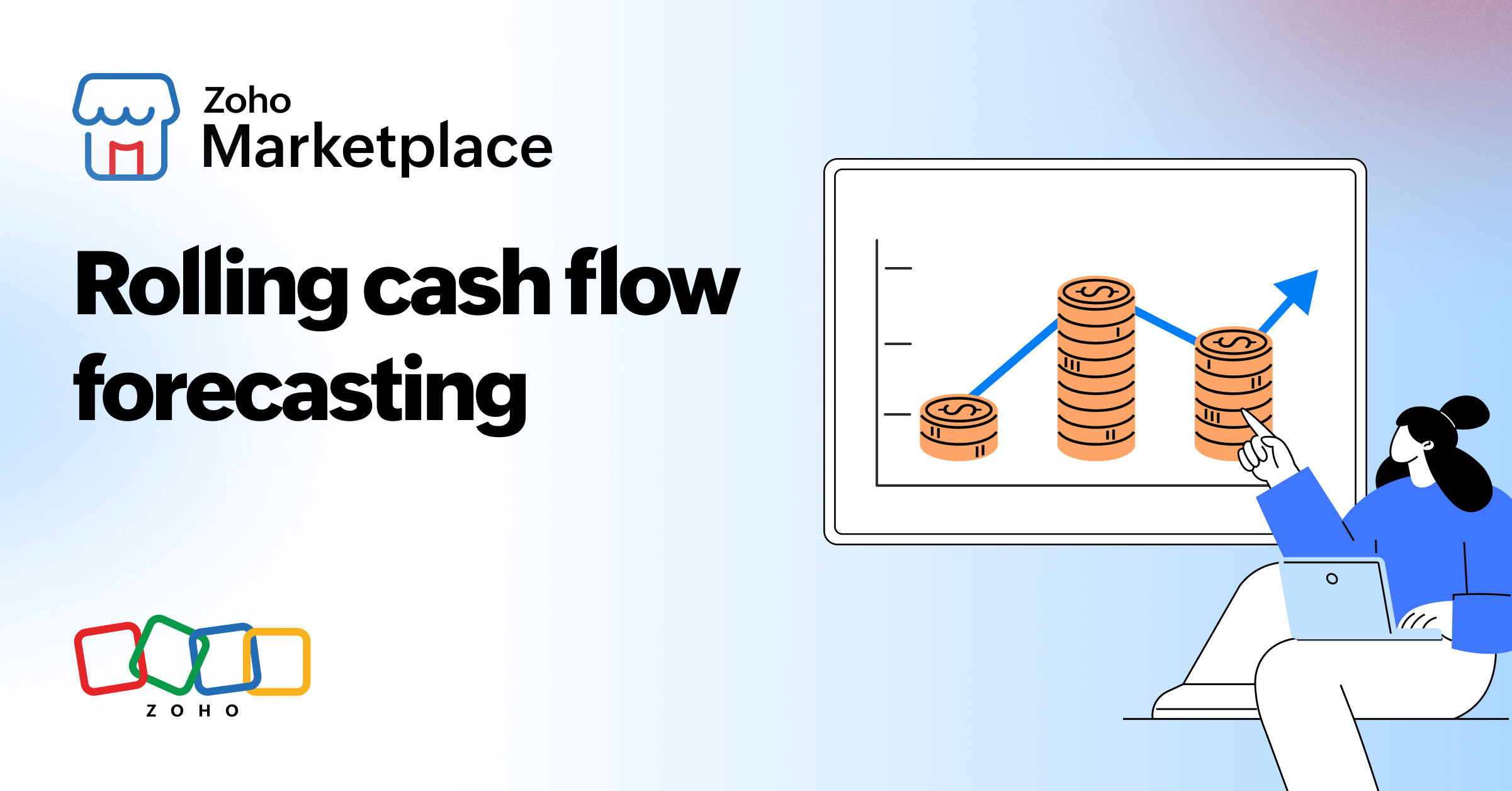
A rolling cash flow forecast gives businesses a continuously updated view of their financial future, helping them plan confidently, avoid surprises, and make better decisions. Here’s why it should be one of the first reports every business relies on and how connected forecasting tools can make it easier to maintain.
Why cash flow comes before any other report
Even profitable businesses can run out of money. If you can’t pay suppliers or employees, operations stop. A rolling forecast helps you predict these gaps, so you always know when cash will be tight and can act early—renegotiating terms, accelerating collections, or securing financing in advance.
It also improves resource allocation. When you know your future cash position, you can decide when to invest, hire, or pause expenses. Unlike static budgets, rolling forecasts are continuously updated with real results, keeping your view accurate and actionable.
What makes a forecast “rolling”
Traditional forecasts are set once a year. A rolling forecast evolves continuously. As each month closes, you add another month ahead, maintaining a 12-month view that never expires. This ongoing update makes it a powerful planning tool, keeping your forecast aligned with reality, not assumptions.
Making rolling forecasts easier to maintain
While rolling forecasts are powerful, maintaining them manually can be time consuming and error prone. This is where connected forecasting tools help. Solutions like Cash Flow Frog work alongside accounting platforms such as Zoho Books, using existing financial data to generate forward-looking cash flow views without requiring constant manual updates.
Key benefits include:
Automatic syncing: Update your forecasts instantly from Zoho Books transactions—no spreadsheets required.
What-if scenarios: Test decisions like “What if sales drop?” or “What if we hire two more people?” and see the impact immediately.
Visual clarity: See your future inflows, outflows, and balances at a glance with interactive dashboards.
Multi-company consolidation: Combine multiple Zoho Books entities into one clear picture.
Zoho Books and forward-looking visibility
Zoho Books helps businesses manage invoices, expenses, and reconciliations with accuracy. When that accounting data is paired with a rolling cash flow forecast, it becomes more than a record of the past—it becomes a planning tool. Together, accounting systems and forecasting tools can provide:
Reliable financial data combined with forward-looking insight
More confidence when making growth or cost decisions
Less time spent maintaining spreadsheets
Getting started with a rolling forecast
Setting up a rolling cash flow forecast doesn’t have to be complicated:
Start with your accounting data: Use real invoices, expenses, and payment timelines as your base
Review and adjust assumptions: Factor in known upcoming changes, such as seasonal sales or planned expenses
Explore scenarios: Understand how different outcomes could affect your cash position
Keep it rolling: Update regularly so your forecast stays relevant
A rolling cash flow forecast helps businesses move from reactive to proactive financial planning. By combining accurate accounting data with forward-looking visibility, teams can reduce uncertainty, avoid last-minute surprises, and make decisions with greater confidence. If you’re already using Zoho Books, exploring connected tools that support rolling forecasts can be a practical next step toward clearer, more resilient financial planning.
Comments