Why spreadsheets cannot be the answer for a growing nonprofit

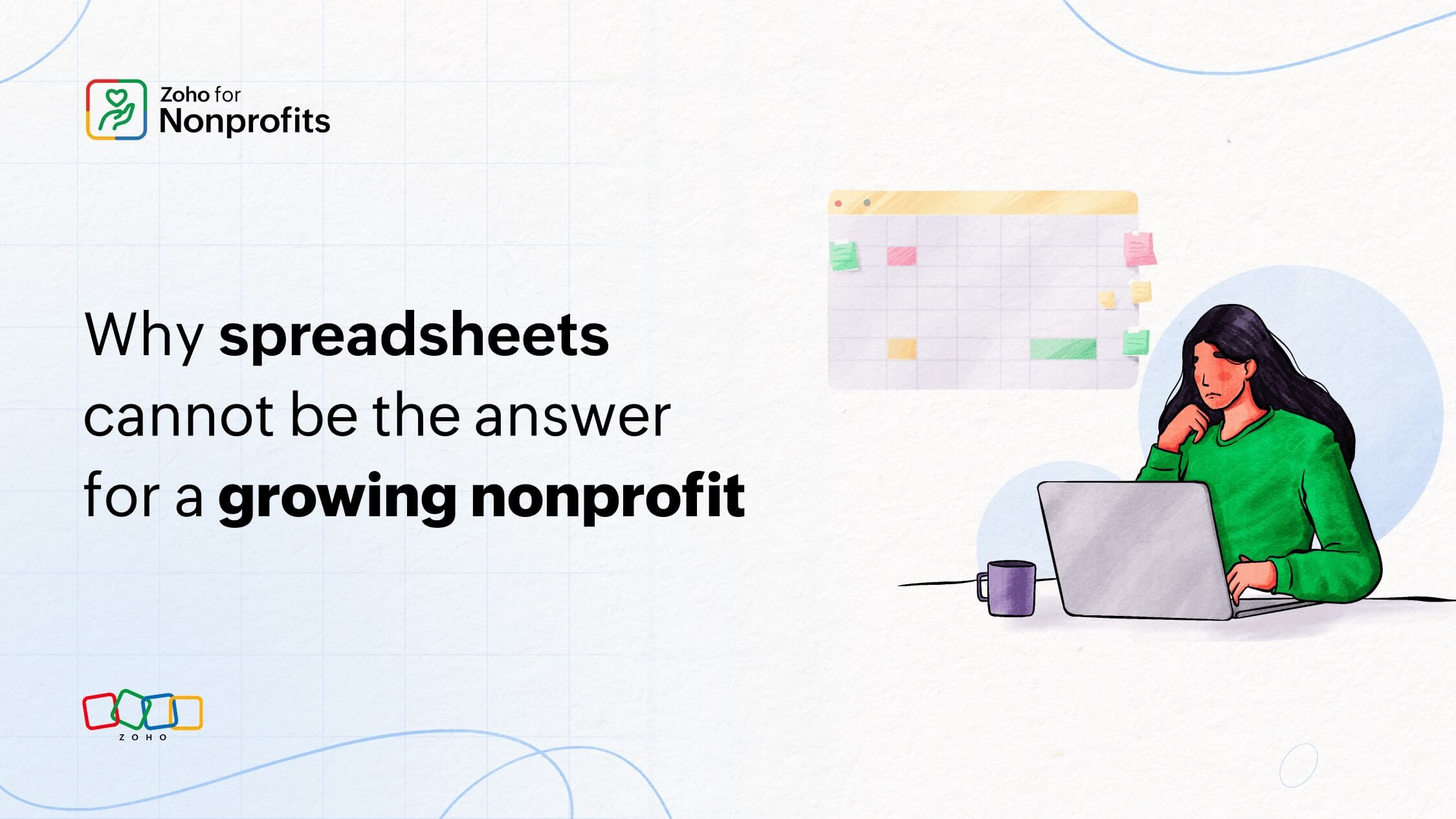
Brinda, a growth executive at a mid-sized nonprofit, maintains a shared Google sheet with her team to track donors and pledges. On an especially busy day, she receives a call from one of their regular donors. The donor will raise their monthly gift if certain impact metrics had improved over the last quarter. Brinda notes it down on her phone but forgets to update the sheet before being called into another meeting. Result: the team doesn’t see the pledge or the promised brief on impact areas. A volunteer prepares the monthly donor review without specifying the request. The miss and the delay reduce the donor’s enthusiasm,causing them to pause the intended raise until someone followed up clearly.
What if this whole scenario played out like this:
Brinda uses a live donor tracker to create a task (assign brief to Sam, due Friday), with automated reminders to both Brinda and Sam. The entry and the follow-up are visible to the whole team, turning personal memory into a shared, auditable workflow that’s less likely to fail.
Taken further, these integrated systems can include smart assistants (AI Agents) that automate routine follow-ups,detecting missed actions, creating tasks, and prompting the right people. Many organisations have already moved beyond spreadsheets and simple reminders to automated, intelligent workflows that combine integration, security, and minimal human intervention.
If automations and integrations still feel optional, think again.
The real cost of “good enough”
At first glance, spreadsheets and email threads seem harmless: familiar, flexible, affordable, and often the fastest way to get started. But as nonprofits grow, the hidden cost of these “good enough” tools surfaces in ways that are easy to overlook:accidental data changes, inconsistent entry, and weak version control and audit trails.
Fragmentation: Different team members spend time searching for information, reconciling records, and asking colleagues for updates. Instead of focusing on service delivery, they are managing cleanup work. And because the information is scattered, leaders may struggle to get a complete picture of what's happening across the organization.
Duplication: Team members may enter the same donor multiple times, log a follow-up in one place but not another, or manually copy event registrations from one sheet to another. These are small tasks individually, but across a month or a year, they add up to a large loss of productivity. More importantly, duplication increases the chance of errors, which can affect reporting accuracy, communication quality, and stakeholder trust.
Why connected, intelligent systems change the equation
An integrated system creates a connected operational foundation where information flows across teams instead of sitting in separate buckets. One update can support multiple workflows without extra effort: a new donor record automatically informs fundraising, communications, and finance; a volunteer registration triggers onboarding steps; a program update feeds into dashboards without someone manually copying it over later. As a result, the organization spends less time transferring information and more time using it.
Integrated systems also improve visibility. Leaders can see what is happening across functions without asking for separate status updates from every team, which saves time and helps the organization respond faster and make better decisions. Smart assistants and AI agents are increasingly layered on top of these integrations to automate routine follow-ups, detect missed actions, and even draft communications, so staff spend even less time on administration and more time on strategy.
More time for mission work
Every hour saved from manual admin is an hour that can go back into fundraising, community outreach, program quality, partnership building, or donor stewardship. That shift matters because nonprofit work is fundamentally human work; the more team members are tied up in repetitive tasks, the less time they have for relationships, creativity, and problem-solving.
Integrated systems do not replace that human element, they protect it. For smaller nonprofits, this can mean fewer late nights and less operational stress. For growing organizations, it can mean the difference between scaling with confidence and constantly feeling one step behind. And for leadership teams, it means moving from reactive management to a more strategic way of working, with automation and intelligent workflows handling the routine while people focus on impact.
A practical mindset shift
The transition from manual processes to automation and integrated systems does not have to happen all at once. Many organizations begin by identifying their biggest pain points: duplicated data entry, missed follow-ups, slow reporting, or lack of visibility across teams. From there, they can redesign the most fragile workflows first.
The key is to treat operations as an enabler of impact, not a separate administrative concern. When systems are designed thoughtfully, the team feels less burdened, data becomes more reliable, and the organization becomes easier to run.
Of course, this is no longer just about basic automation or integration. Many nonprofits today are already pairing integrated systems with intelligent workflows that handle routine decisions, so the question is not whether to adopt them, but how to use them wisely.
Zoho offers exclusive credits for nonprofits that cover up to 50% of your subscription costs. Check out Zoho for Nonprofits to get started.
Connect with other nonprofits from around the world to discuss Zoho tools, tech decisions, or anything else that's on your mind! Join our community
If you have any questions, write to us at: support@zohononprofits.com.

Comments